First 30 Minutes: What To Do for a Broken Tooth, Swelling, or Severe Tooth Pain (Stuart)

Dental emergencies rarely happen at a convenient time. If you are dealing with a broken tooth, sudden swelling, or severe pain, the next 30 minutes can make a real difference in comfort and in protecting your tooth. This guide is designed for patients searching for an Emergency Dentist Stuart and wondering what to do right now before you can be seen.
In our previous blog, "How an Emergency Dentist Can Save Your Tooth," we discussed how timely care can protect teeth after a dental emergency. In this article, we focus on the immediate at-home steps and the "urgent vs can-wait" signs during the first half hour.
TL;DR - Your First 30-Minute Emergency Plan in Stuart
Focus on safety first, protect the area, and contact a dental clinic for urgent guidance. If breathing or swallowing is affected, go to the ER.
- Rinse gently with water and keep the area clean.
- Cold compress on the outside of the face for swelling (avoid heat).
- Control bleeding with steady pressure for 10 minutes.
- Protect the tooth: do not glue anything back; save broken pieces if possible.
- Get same-day dental treatment if pain is severe, swelling is growing, or a tooth is cracked or broken.
Step 1 (Minutes 0-5): Check for Medical Red Flags First
Most dental problems can be handled by an emergency dentist, but some symptoms need immediate medical care. If any of the following are happening, call 911 or go to the ER:
- Trouble breathing, wheezing, or feeling like your throat is closing
- Trouble swallowing, drooling, or swelling that seems to be moving down the neck
- Swelling that affects the eye area
- Uncontrolled bleeding that does not slow after 10 minutes of steady pressure
- Significant trauma to the face or jaw (possible fracture)
- Fever with rapidly worsening facial swelling
If you do not have these red flags, the next step is to stabilize symptoms and arrange urgent evaluation.
Step 2 (Minutes 5-10): Rinse and Reduce Risk (Without Making It Worse)
What To Do
- Rinse gently with room-temperature water to clear debris.
- Avoid vigorous swishing if you have active bleeding or had recent oral surgery.
- Remove contact lenses and wash hands if you are dealing with facial swelling and may touch the area.
What Not To Do
- Do not place aspirin directly on gums or a sore tooth (it can irritate tissue).
- Do not apply heat to facial swelling (heat can worsen certain infections).
- Do not poke a swollen area to "drain" it.
Step 3 (Minutes 10-20): Match the Symptom to the Right First Aid
If You Broke, Chipped, or Cracked a Tooth
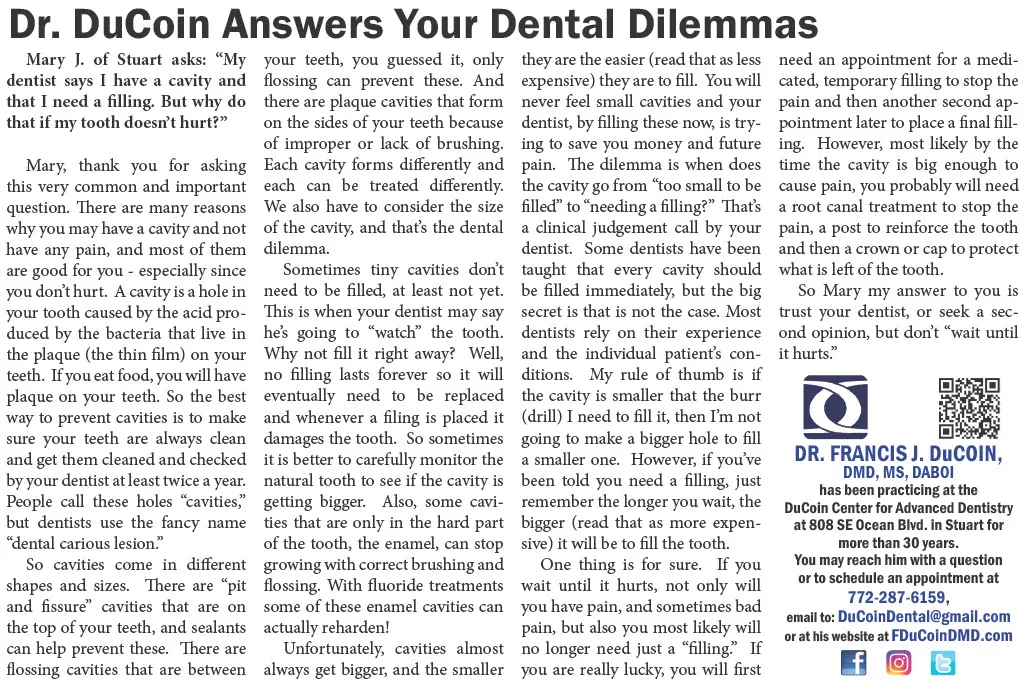
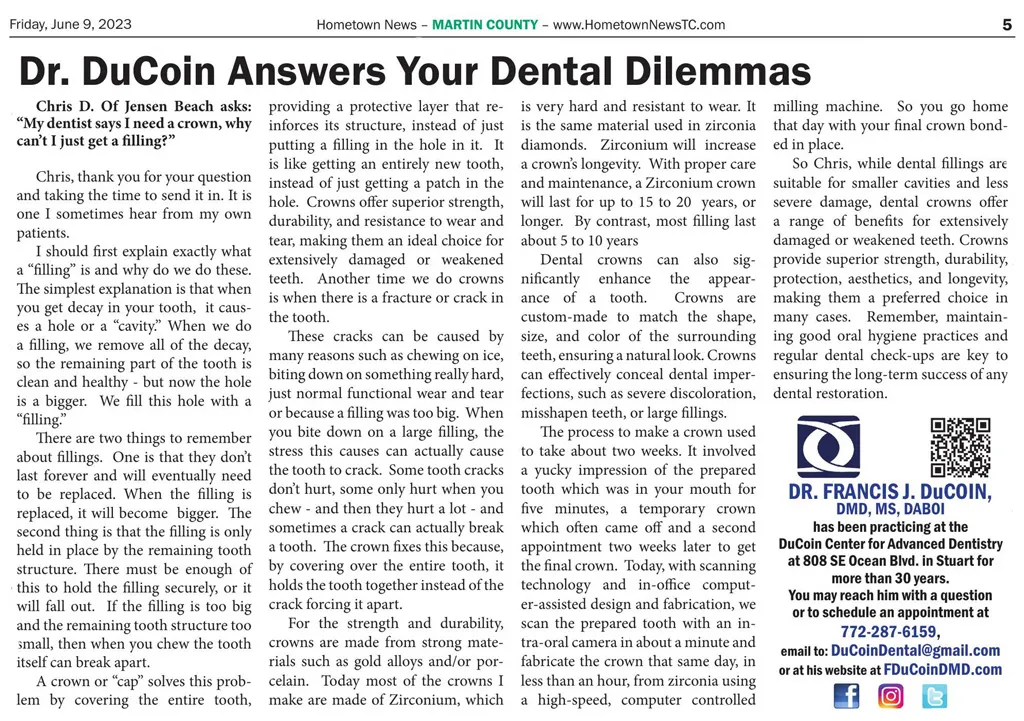
A crack can be small and hard to see, or it can split a tooth in a way that gets worse quickly. Even if pain comes and goes, it is worth being checked soon. If you suspect a crack, you can also review our related page on cracked tooth concerns.
- Save any pieces (place them in a clean container).
- Avoid chewing on that side.
- Cover sharp edges with orthodontic wax if you have it (temporary comfort only).
- Call for evaluation because many broken teeth need protective restoration.
If You Have Swelling (Cheek, Gum, or Jaw)
Swelling can mean irritation, trauma, or infection. In our clinical experience, patients often underestimate swelling because it can start as "just a puffy gum" and progress later in the day.
- Use a cold compress on the outside of the face, 10 minutes on and 10 minutes off.
- Stay upright when possible to reduce pressure and throbbing.
- Do not use heat until you have been evaluated.
- Seek same-day care if swelling is new, worsening, or paired with significant pain.
If You Have Severe Tooth Pain
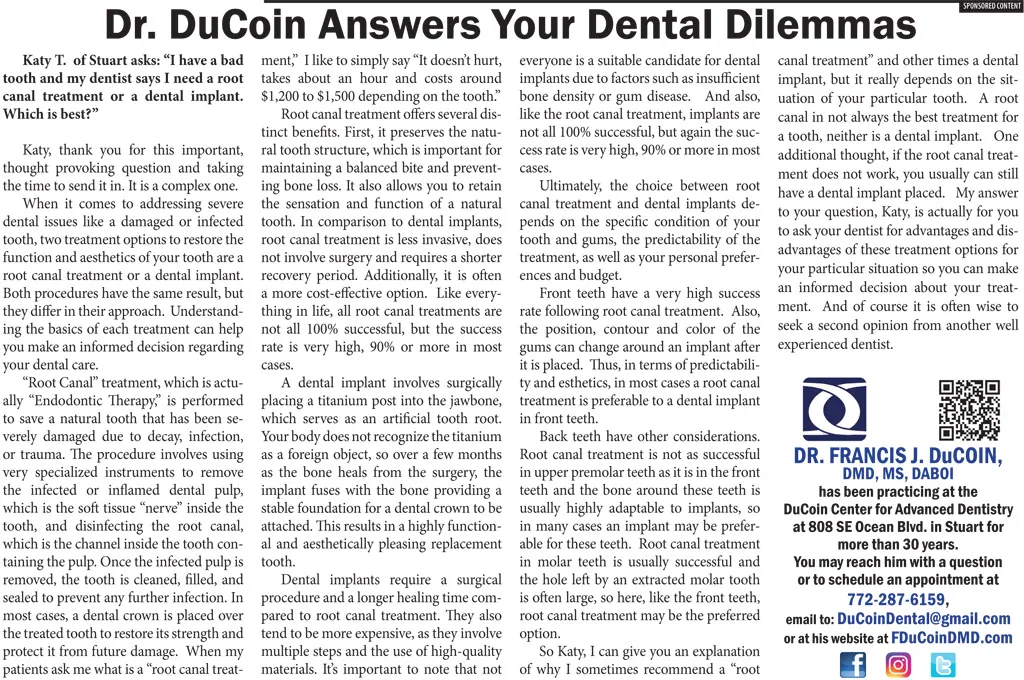
Severe pain is a symptom, not the diagnosis. It can come from decay, a crack, a bite issue, or inflammation inside the tooth. The goal in the first 30 minutes is to prevent escalation and get you to the right dental treatment in Stuart as soon as possible.
- Rinse and gently floss to remove trapped food if the pain started after eating.
- Cold compress for throbbing or swelling.
- Avoid very hot or cold foods that trigger sharp sensitivity.
- Plan on an urgent visit if pain is keeping you awake or is radiating to the jaw, ear, or head.
If You Have Bleeding After an Injury
- Apply pressure with clean gauze or a clean cloth for 10 full minutes.
- Do not repeatedly lift the gauze to "check" (it restarts bleeding).
- Keep your head elevated.
Step 4 (Minutes 20-30): Call and Prepare for Same-Day Evaluation
Once symptoms are stable, contact an emergency dental clinic so you can be guided to the appropriate next step. You can learn more about urgent care on our emergency dentistry in Stuart page.
When It Is Usually "Same-Day" Urgent
- Swelling that is increasing
- Severe tooth pain not settling down
- Broken tooth with exposed sensitive inner layers
- Trauma that changed how your teeth come together
- Any dental injury in a child (timing matters)
What to Have Ready When You Call
- When symptoms started and whether they are getting worse
- Whether swelling is localized or spreading
- Whether you had trauma (fall, sports injury, biting something hard)
- Medication list and allergies
- Whether you are an anxious patient and want to discuss comfort options
What to Expect at an Emergency Dental Visit
A same-day emergency visit typically focuses on identifying the cause, reducing pain safely, and protecting the tooth or tissue from further damage. Depending on what is found, your dentist may recommend a definitive treatment that day or stabilize the issue and schedule follow-up care.
Because Dr. Frances DuCoin focuses on advanced restorative care, the goal is usually to preserve healthy structure whenever possible and recommend a plan that fits your situation, not a rushed one-size approach.
FAQs
Go to an emergency room right away if you have trouble breathing or swallowing, swelling that affects your eye or neck, uncontrolled bleeding, fever with rapidly worsening facial swelling, or significant injury to the face or jaw. For most tooth-related pain, broken teeth, lost fillings/crowns, and localized swelling, an emergency dentist can diagnose the cause and provide targeted dental treatment.
Facial swelling can signal infection and should be evaluated promptly. Do not apply heat. Use a cold compress on the outside of the face in short intervals and contact an emergency dentist for same-day guidance. If swelling is spreading quickly, you have fever, or you cannot swallow or breathe normally, seek emergency medical care immediately.
Rinse gently with water, apply a cold compress if there is swelling, and avoid chewing on that side. If an edge is sharp, you can cover it temporarily with orthodontic wax if you have it. Avoid gluing anything onto the tooth. Call for an urgent dental evaluation so the tooth can be protected and restored.
Apply gentle, steady pressure with clean gauze or a clean cloth for 10 minutes without repeatedly checking. If bleeding continues heavily after pressure, or you feel lightheaded, seek urgent medical help. For dental injuries with manageable bleeding, contact an emergency dentist for next steps.
Bring a list of medications, any allergies, and details about what happened (when symptoms started, trauma, sensitivity to hot/cold, and any swelling). If you have a broken piece of tooth or restoration, bring it in a clean container. Having this information ready helps the dental team move faster.
For many patients, comfort and anxiety management can be part of emergency care planning. Your dentist can discuss appropriate sedation options based on your health history and the urgency of the situation. Always let the team know if you feel anxious so they can guide you safely.
Related Reading
- How an emergency dentist in Stuart treats dental trauma
- Emergency dentist warning signs you cannot ignore
- Dental treatment options and planning
- Dentistry for anxious patients
Conclusion: If It Feels Urgent, Get Guidance Quickly
A dental emergency is stressful, but the first steps are usually simple: protect the area, reduce swelling safely, and get expert guidance. If you are unsure whether you need same-day care, it is better to ask and be safe, especially when swelling or severe pain is involved.
Call for Emergency Dental Care in Stuart
If you are looking for an emergency dentist in Stuart and need help with a broken tooth, swelling, or severe pain, call our dental clinic to request urgent guidance and next steps. Call now 772-287-6159.