Foods to Avoid After Teeth Whitening in Stuart
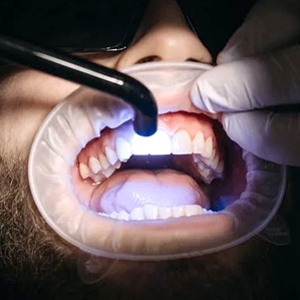
A bright, freshly whitened smile is an investment you want to protect, especially in the first 24–48 hours after your treatment. During this period, your enamel is more porous and sensitive, making it easier for pigments and acids to penetrate your teeth and cause discoloration. Knowing which foods to avoid during this time ensures your results remain vibrant and long-lasting.
In our previous post, we explored what typically happens after a professional whitening session. In this follow-up, we’re shifting the focus to what comes afterward—important food-related precautions that can help you protect your freshly whitened smile and maintain long-lasting brightness.
Foods You Should Be Careful With After Teeth Whitening in Stuart
After whitening, your enamel becomes more porous, making it easier for certain foods to stain or dull your results. To protect the brightness achieved through teeth whitening in Stuart, be cautious with dark, acidic, or highly pigmented foods during the first 24–48 hours. Choosing lighter, low-stain options helps keep your smile looking fresh and bright.
-
Dark-Colored Beverages
Dark-colored drinks such as coffee, tea, red wine, and cola are among the most common staining agents after whitening. These beverages contain strong pigments that quickly attach to the enamel, which is especially vulnerable after treatment. Even small amounts can cause noticeable discoloration. If you must reintroduce these drinks later, using a straw can help reduce direct tooth contact.
-
Highly Pigmented Foods
Foods rich in deep or vibrant colors—like tomato sauce, soy sauce, curry, blueberries, and beets—can easily stain freshly whitened teeth. Their strong natural pigments bind quickly to porous enamel, reducing the brightness of your results. Many patients who invest in cosmetic dentistry in Stuart rely on maintaining a stain-free smile, which makes avoiding these foods especially important during the first couple of days after your whitening treatment. Lighter alternatives such as peeled apples, bananas, potatoes, and alfredo sauce help preserve your clean, bright appearance.
-
Acidic Foods and Drinks
Citrus fruits, pickles, vinegar-based dishes, and sodas should be avoided because they can increase tooth sensitivity and weaken enamel. Your teeth need time to recover and re-harden after whitening, and acidic foods interfere with that process. Opt for soft, low-acid foods like white fish, steamed vegetables, yogurt, or mashed potatoes to keep your teeth comfortable and protected.
-
Dark Sweets and Colored Candies
Brightly colored candies and desserts containing artificial dyes—including red, purple, and blue—can leave pigments on your enamel almost instantly. Chocolate can also cause mild staining during this sensitive period. Select lighter sweets such as vanilla ice cream, shortbread cookies, or plain pastries until your enamel stabilizes.
-
Red Meats
Red meats, including beef and steak, contain natural pigments that may discolor teeth shortly after whitening. While not as intense as dark beverages, these pigments can still dull your results. Leaner, lighter protein options such as chicken, turkey, tofu, and white fish are safer choices for the first 48 hours.
Conclusion
By temporarily avoiding stain-causing foods and beverages, you can protect your whitening investment and keep your smile bright for longer. Consistent oral hygiene, smart eating habits, and regular dental visits all play a role in maintaining your results. If you're looking to enhance your smile further or need personalized whitening guidance, it’s a great time to find a dentist in Stuart who can support your long-term dental goals. To schedule an appointment or speak with our team, call 772-287-6159 today.