When Invisalign Stalls: Causes and Next Steps
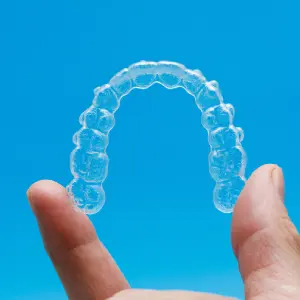
It is frustrating to put in the time with clear aligners and feel like your smile is not moving anymore. If you are wearing trays and still noticing gaps, tight spots that never improve, or a bite that feels "off," you may be dealing with a tracking problem or a normal mid-course adjustment that needs a check-in.
TL;DR - How to Get Invisalign Progress Moving Again
If your Invisalign treatment seems stuck, the next step is usually not to "power through" blindly. Most stalled progress comes from wear-time issues, trays not seating fully, lost attachments, or a plan that needs a refinement scan.
- Check fit: look for gaps at the edges or around attachments, especially on the teeth that were supposed to move.
- Audit wear time: inconsistent daily wear is a top cause of stalls.
- Seat trays fully: use chewies (if recommended) and re-check after meals.
- Do not skip ahead: jumping to the next tray can make tracking worse.
- Call your dentist early: quick fixes like replacing attachments or ordering refinements can prevent long delays.
Why Invisalign Results Stall (And Why It Is Common)
Invisalign is a precise, staged process: each aligner is designed to apply specific forces to specific teeth. When a tooth does not move as predicted, the next tray may not fit correctly. That can create a domino effect where each new aligner feels worse, progress appears to stall, and you start wondering if something is wrong.
If you are researching Invisalign in Stuart or already mid-treatment, it helps to know that stalls are often solvable with a few targeted corrections rather than starting over.
Most Common Causes of Stalled Invisalign Progress in Stuart
1) Not Wearing Aligners Consistently Enough
The most frequent reason teeth stop responding is simple: aligners are not being worn as directed. Even small "exceptions" add up, such as taking trays out for long meals, frequent snacking, or leaving them out after brushing at night.
- Long daily gaps can let teeth rebound toward their old position.
- That rebound creates tiny misfits that compound with each tray change.
- Inconsistent wear often shows up first as a gap at the edge of the tray on one or two teeth.
2) Aligners Not Seating Fully (Even If You Are Wearing Them)
You can technically "wear" trays and still not get the intended movement if they are not fully seated. Patients often notice this as a small air gap, usually near the front teeth or where a tooth is rotating.
Experience note from our team: we often see stalled progress when patients believe the tray is seated, but a tiny edge is lifted after meals or when the aligner is inserted quickly. Catching that early can make a big difference.
- Trays may not seat fully if you insert them unevenly (one side first).
- Attachments help trays grip, so a lost attachment can reduce seating.
- Excess plaque buildup can sometimes interfere with close fit.
3) Lost or Worn Attachments
Those small, tooth-colored bumps are not just "extras." Attachments can be essential for rotations, certain bite movements, and helping the tray deliver force correctly. If one falls off, you might not notice right away, but your teeth will.
If you suspect an attachment is missing, consider checking in promptly. If you also want to understand alternatives, our dental braces in Stuart page covers more traditional options for tooth movement.
4) Switching Trays Too Fast (Or Too Slow)
Switching early can overload your teeth and leave trays not fitting. Switching late can prolong treatment and sometimes let habits set in that affect compliance. If you are unsure, it is better to ask before changing schedules.
5) A Predicted Tooth Movement Did Not Happen, and You Need Refinements
Digital plans are powerful, but biology is variable. Teeth with large rotations, teeth with short crowns, and certain bite patterns can be less predictable. A refinement (a rescan and a new set of aligners) is a normal, common step to fine-tune the result.
6) Habits and Forces That Work Against Your Aligners
Some everyday habits can slow or derail movement:
- Clenching or grinding, especially at night (can distort trays and affect fit)
- Pushing on teeth with your tongue
- Chewing ice or hard foods while trays are out, which can change tooth stability
What To Do Next If Your Invisalign Feels Stuck
Step 1: Look for Simple, Fixable Signs
- Check for gaps: in bright light, look for space between the plastic and the tooth.
- Check attachments: feel for a "missing bump" where one used to be.
- Check tray edges: cracks or warping can cause poor fit.
Step 2: Do Not Skip Ahead to "Catch Up"
It is tempting to jump to the next set to force progress, but skipping can worsen tracking and increase discomfort. If a tray is not fitting, there is usually a reason that needs to be addressed first.
Step 3: Reach Out for a Quick Fit Check
If you are unsure whether you are experiencing a normal adjustment or a true stall, a short visit can clarify what is happening. In many cases, the solution is straightforward: reseating guidance, replacing attachments, extending wear time for a tray, or planning refinements.
If your concern is broader and you are comparing options beyond aligners, our dental treatment options page outlines several ways we help patients improve function and appearance.
When a Stall Might Mean Invisalign Is Not the Best Option
Invisalign can be a great choice for many smiles, but certain bite concerns and complex movements may respond better to other orthodontic approaches. If progress repeatedly stalls even with strong compliance, it may be worth discussing whether another method could be more efficient.
If you are experiencing pain, swelling, or a cracked tooth during treatment, treat it as a separate issue and consider contacting our office or reviewing our emergency dentistry page for next steps.
FAQs
Related Reading
- Invisalign Braces
- Dental Braces Treatment
- Dentistry for Anxious Patients
- Technology
- Contact Our Office
Conclusion: A Stall Is a Signal, Not a Failure
Stalled Invisalign progress usually means something small has changed, such as wear time, tray seating, or an attachment, or it means your treatment plan needs a refinement to match how your teeth are responding. The good news is that most cases improve quickly once the cause is identified.
If you are concerned about Invisalign in Stuart and want a clear plan for what to do next, call our team at 772-287-6159 to schedule a fit check and next-step review.