Is This a Dental Emergency or Can It Wait Until Tomorrow?

When something feels wrong in your mouth, the hardest part is often deciding what to do next: call an emergency dentist now, schedule a next-day visit, or wait and watch. This guide is designed to help you triage common dental problems by symptom and risk, so you can protect your health and your teeth.
If you are searching for an Emergency Dentist Stuart because you are unsure what counts as urgent, you are not alone. A practical rule is to treat anything involving trauma, swelling, uncontrolled bleeding, or severe pain as time-sensitive.
TL;DR — Quick summary
A Quick Decision Guide for Dental Emergencies
Use this triage framework to decide whether to call now, book soon, or monitor overnight. When in doubt, call and describe your symptoms so you can get the safest next step.
- Call now: uncontrolled bleeding, facial swelling, knocked-out tooth, major trauma, fever with dental swelling, severe pain that is not improving.
- Book soon (24 to 72 hours): cracked/broken tooth with sensitivity, lost filling/crown, toothache that comes and goes, gum boil or bad taste.
- Can often wait a little: small chip with no pain, mild sensitivity to cold that quickly stops, minor mouth sore improving.
- Safety first: trouble breathing or swallowing plus swelling is a medical emergency.
- If you are anxious: ask about comfort and sedation options when you call.
In our previous blog, "First 30 Minutes: Dental Emergency Steps," we discussed what to do right away for issues like a broken tooth, swelling, or severe pain. In this article, we focus on the decision point: what truly needs emergency care vs what can safely wait.
Call Now: Symptoms That Count as a True Dental Emergency
These situations are urgent because they can involve infection risk, uncontrolled bleeding, airway concerns, or a limited window to save a tooth.
1) Uncontrolled Bleeding
- Bleeding that does not slow after steady pressure
- Bleeding after an injury, extraction, or gum trauma that keeps restarting
If you are applying clean gauze with firm pressure and bleeding is still heavy or continuous, call an emergency dentist for guidance and evaluation.
2) Facial Swelling, Spreading Swelling, or Swelling With Fever
- Cheek, jaw, or gum swelling that is increasing
- Swelling with fever, feeling sick, or a rapid change over hours
- Tightness, difficulty opening, or pain that feels deep and throbbing
Swelling can signal infection. If you have trouble swallowing or breathing, treat it as a medical emergency and seek immediate medical care.
3) Dental Trauma (Falls, Sports Injuries, Accidents)
- A tooth that is pushed out of position, loosened, or fractured
- A bite that suddenly feels "off" after an impact
- Cuts to lips or gums along with tooth injury
Trauma is time-sensitive. Even if pain is not severe, damage can be hidden, and early evaluation can reduce complications.
4) Knocked-Out (Avulsed) Permanent Tooth
This is one of the most urgent dental emergencies. If a permanent tooth is knocked out, call immediately. The chance of successful re-implantation can depend on how quickly you are seen and how the tooth is handled and stored.
5) Severe Tooth Pain That You Cannot Manage
Pain can come from deep decay, infection, cracks, or inflammation. If pain is intense, escalating, or preventing sleep, it should be treated urgently.
Book Soon (Not Tonight, But Do Not Ignore It)
These problems often do not require immediate after-hours care, but delaying can turn a manageable repair into a larger problem.
Broken Tooth or Cracked Tooth With Sensitivity
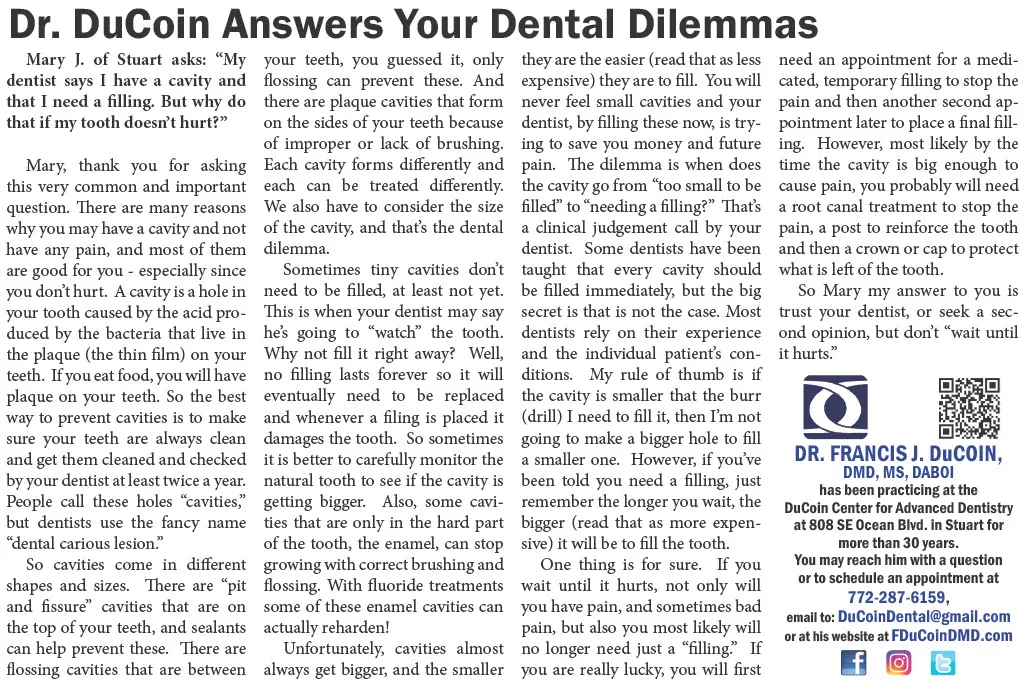
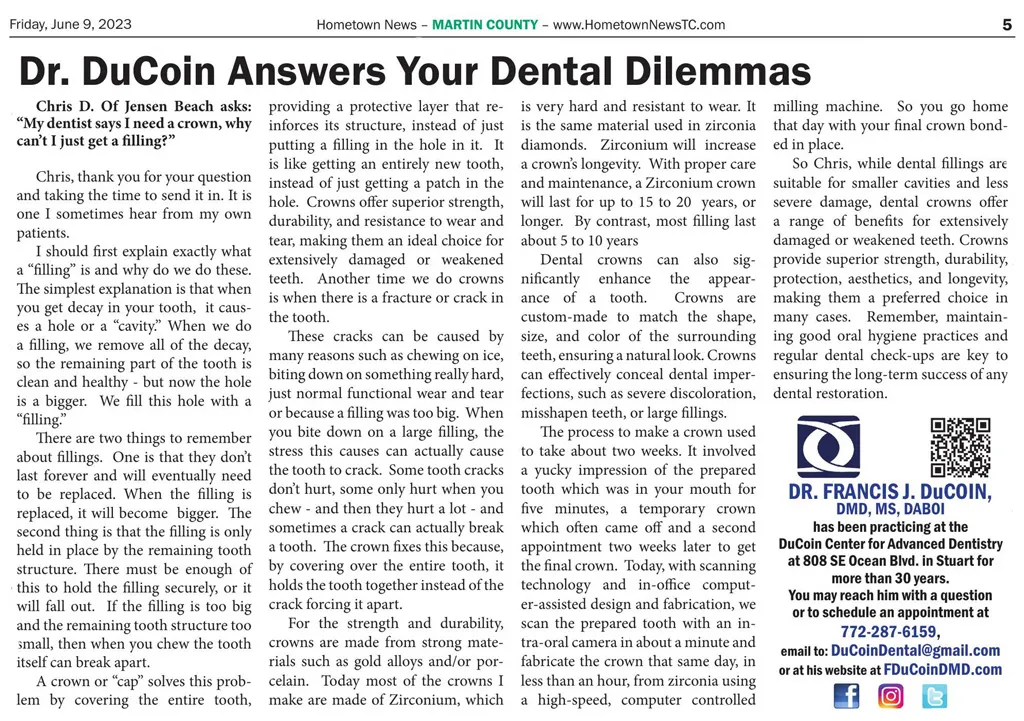
If a tooth is cracked or broken and you feel sharp edges, pain when chewing, or sensitivity to cold/air, schedule as soon as possible. Early care helps protect the tooth structure.
If you suspect a crack, our cracked tooth page explains why prompt evaluation matters.
Lost Filling, Lost Crown, or Broken Dental Work
If a filling or crown comes out, the tooth underneath can become sensitive and more likely to chip. Book soon even if pain is mild.
If you want to understand when a tooth needs a stronger restoration, see Crown vs Filling: How Dentists Decide.
Toothache That Comes and Goes
Intermittent pain is still a sign something is going on (decay, a crack, or inflammation). It is a common reason people end up needing more extensive care later. Booking early can help keep treatment simpler.
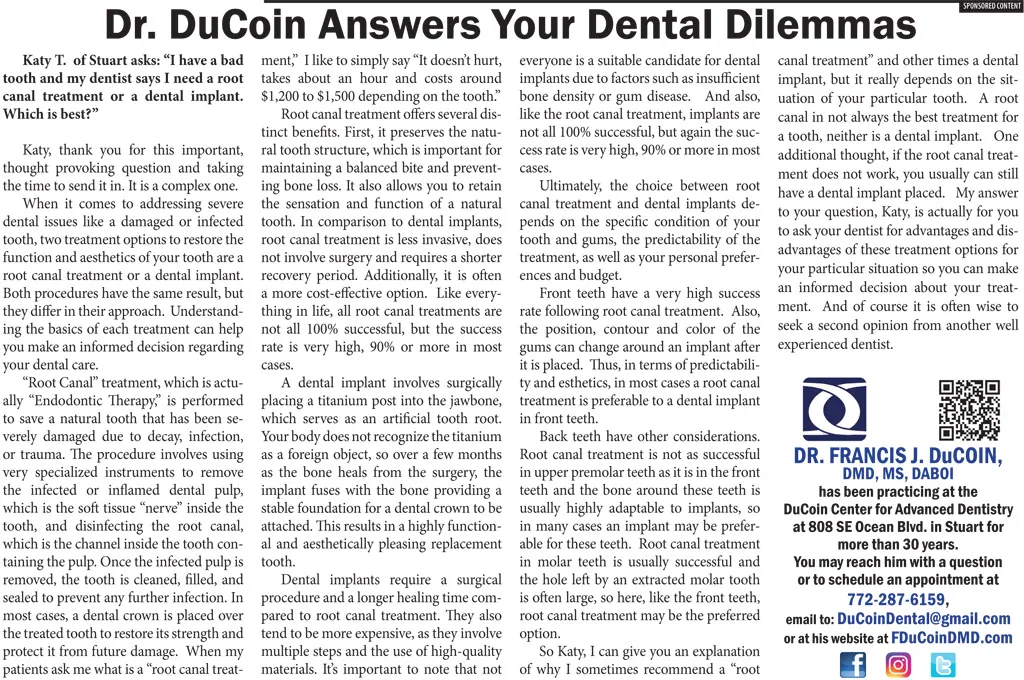
If an infection is suspected, the next step is often diagnosing whether endodontic care may be needed. Our root canal treatment information covers what that treatment is designed to do.
Gum Boil, Bad Taste, or Pimple-Like Bump on the Gums
A recurring bump, drainage, or a persistent bad taste can be a sign of infection. Even if it is not very painful, schedule promptly.
Can Usually Wait Until Tomorrow (Or Your Next Open Appointment)
Many dental concerns feel alarming but are not truly emergent if you are stable, comfortable, and not dealing with infection signs.
- Small chip with no pain and no sharp edge cutting your tongue or cheek
- Mild sensitivity to cold that stops quickly and is not worsening
- A lost piece of a temporary filling with minimal sensitivity (still schedule soon)
- Food stuck between teeth that is annoying but not painful or swollen (avoid sharp tools; schedule if it persists)
Emergency Dentist Triage Table: Call Now vs Book Soon vs Monitor
Call Now
- Uncontrolled bleeding
- Facial swelling or rapidly worsening swelling
- Knocked-out permanent tooth
- Trauma with a loose or displaced tooth
- Severe pain that is escalating or unmanageable
Book Soon
- Cracked tooth with sensitivity or pain when biting
- Lost filling or crown
- Toothache that comes and goes
- Gum boil, drainage, bad taste
Monitor (But Schedule If It Does Not Improve)
- Minor chip with no pain
- Mouth sore improving over a few days
- Short, mild sensitivity that is not worsening
What to Have Ready When You Call an Emergency Dentist
Clear details help a team triage you correctly. In our day-to-day experience, the fastest way to get the right appointment type is to describe symptoms plainly (instead of guessing the treatment).
- Where the pain is and whether it is constant or triggered by biting/cold
- Whether there is swelling (and where)
- Whether you have bleeding that will not stop
- Whether there was an injury and when it happened
- Whether a tooth is loose, moved, or missing
A Note for Anxious Patients: Do Not Wait Just Because You Are Nervous
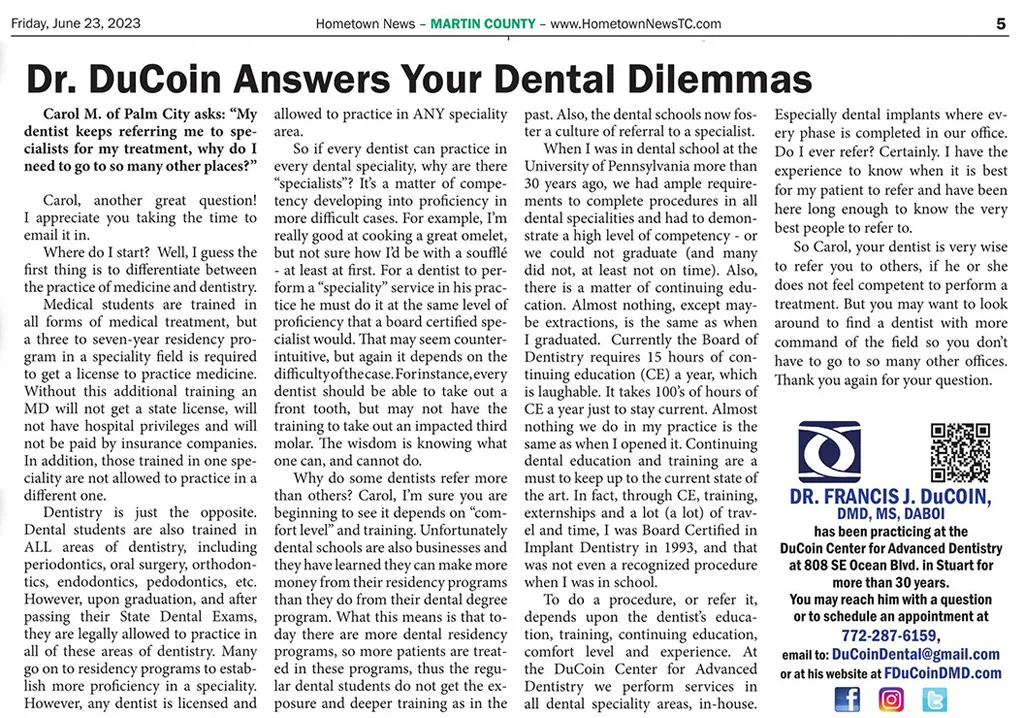
Dental emergencies are stressful, and anxiety can make it harder to reach out. If you are concerned about comfort, let the team know when you call. Our dentistry for anxious patients page explains ways we help people feel more in control during care.
How This Fits Into Your Bigger Plan for Dental Treatment
Emergency visits are about stabilizing the problem, relieving pain, and preventing complications. The next step is often a longer-term plan (restoration, bite correction, or replacement options) once the urgent issue is under control.
If you are looking for broader dental treatment in Stuart options after things calm down, our dental treatment overview is a helpful starting point.
FAQs
Call right away if you have uncontrolled bleeding, facial swelling that is worsening, trouble swallowing or breathing, a knocked-out tooth, significant trauma, or severe pain that cannot be managed with basic measures.
Not always. A small chip with no pain may be able to wait, but a broken tooth with sharp edges, bleeding, significant sensitivity, or pain when biting should be evaluated sooner. Breaks that expose deeper tooth layers can worsen quickly.
Yes. Intermittent pain can still signal decay, a crack, or inflammation inside the tooth. Even if you can sleep, it is wise to book promptly so the cause can be diagnosed before it escalates.
Worsening swelling is a reason to call. If swelling spreads, you develop fever, or you have trouble swallowing or breathing, seek urgent medical care immediately. Otherwise, contact a dental office as soon as possible for guidance and evaluation.
It may be able to wait a short time, but it is best to book soon. An unprotected tooth can become sensitive, crack, or develop decay. Also, the longer you wait, the harder it can be to reseat or restore the tooth conservatively.
Yes. If you are nervous, let the team know when you call. Many offices can discuss comfort-focused approaches and, when appropriate, sedation options so you can get needed care without feeling rushed.
Related Reading
- Emergency dentistry in Stuart
- First 30 Minutes: Dental Emergency Steps
- Root canal treatment
- Post-op instructions
- Need a Dentist Fast? Choosing a Stuart Dental Clinic
Conclusion: When in Doubt, Triage by Risk
Most dental problems get worse when they are ignored, but not every issue needs an immediate, late-night visit. The safest approach is to triage by risk: swelling, trauma, uncontrolled bleeding, and severe pain are the biggest red flags.
Need Help Deciding What to Do Next?
If you think you need an emergency dentist, our team can help you decide the safest next step and coordinate care. For urgent concerns at our dental clinic, call 772-287-6159.